

Empathy Champions Program
A new leadership program to develop the skills of Network participants who are passionate about championing empathy for wildlife to new audiences.
About the Program
Empathy Champions design and lead outreach projects that engage new partners and audiences in empathy for wildlife. A cohort of 10 Network participants will start by learning the skills they need to support effective engagement, before creating and implementing individual outreach plans. At the end of the program, participants will share what they have learned and resources they have developed with the Network, and mentor an incoming cohort of new participants.
Applications are now closed. Check back in 2027!
Who are Empathy Champions?
Empathy Champions are Members or Affiliates who are active in the ACE for Wildlife Network, passionate about empathy work, interested in peer-to-peer outreach, seeking professional development opportunities to develop leadership, communications, partnership development, and advocacy skills, and are interested in recruitment in support of ACE for Wildlife Network goals. Applicants are currently limited to those within the United States. See Program Criteria for specific eligibility requirements.
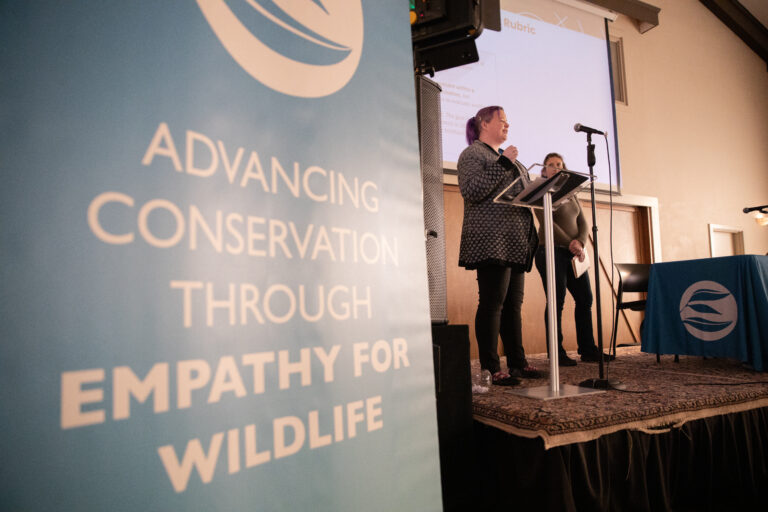
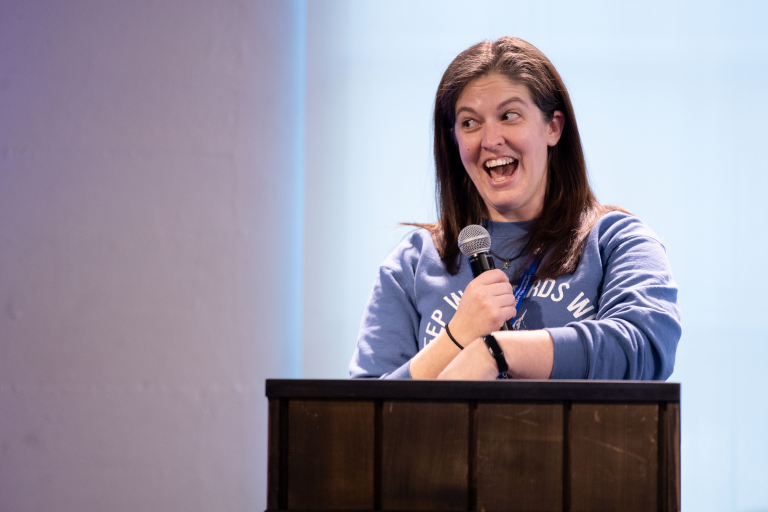
Watch the Cohort 1 Presentations
Champions in cohort one worked on projects that ranged from partnering with wildlife tourism operators, local hospitals, state parks, international conservation organizations, and more! Click the button to watch their presentations and see what they created.
Meet the new cohort
Amanda Dale, Woodland Park Zoo
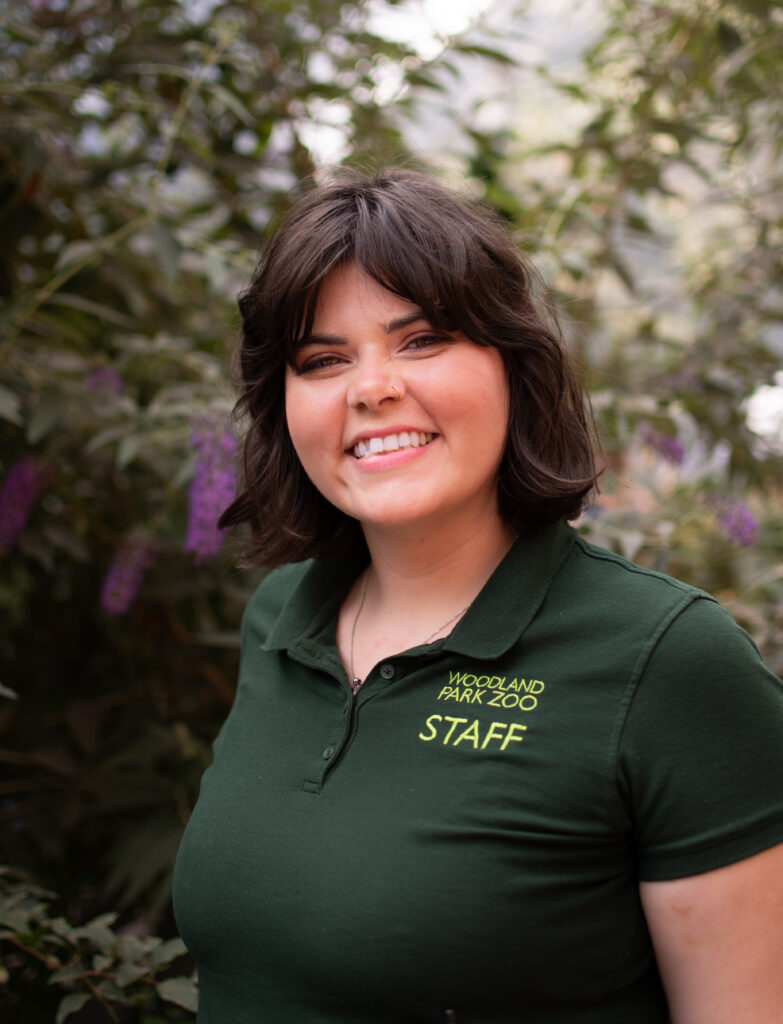
Amanda Dale, Learning Coordinator at Woodland Park Zoo
“As a Public Programs Coordinator, I have firsthand seen the power of empathy. Empathy allows me to bridge the gap between our amazing animals here at Woodland Park Zoo to impact through conservation action. This extends to our youngest audience members as well, whom I hope to inspire by helping them care for animals now, whether that be through perspective-building through play, practicing animal care by creating enrichment, or cheering on the sloth bears after learning about what it takes to eat a mealworm! I feel so passionate about this connection- empathy is the driving force behind my own conservation career! I cherish my experiences growing up caring for and learning about animals, and I heavily attribute my interest in animal care, conservation and education to those opportunities. I’ve personally experienced the impact of wildlife empathy and I want others to have the same opportunities to not only care about wildlife, but to save wildlife.“
Brent Weston, Dakota Zoo
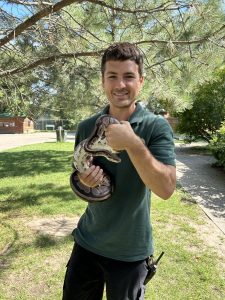
Brent Weston, Education and Volunteer Coordinator at the Dakota Zoo
“[Empathy] is the backbone of every education program at the Dakota Zoo. I implement it in programs I lead and in the trainings I do for Zoo staff. I have been a part of programs here at the zoo before we became members of the network and after, so I have experienced first-hand the improvements empathy-based programming brings. It is important because it creates defining moments for our guests, but it also makes my job so much better because I get to create memories for guests in the same way memories were made for me when I was a child. “
Courtney McNulty, Fresno Chaffee Zoo

Courtney McNulty, Zoological Animal Manager II - Bird Show at the Fresno Chaffee Zoo
“As a frontline manager of an outreach team, it is incredibly important that we are integrating empathy into our daily shows and encounters to ensure that we are creating connections that are meaningful and will elicit conservation action to save species. I have been able to watch first hand how significantly big our reach and impact has gotten since we have switched to empathy based programing. Empathy can transform our relationships with those “less charasmatic” species and give us more traction through the power of connection.”
Emma Tovar, Point Defiance Zoo & Aquarium
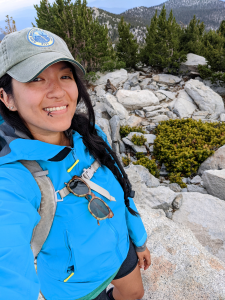
Emma Tovar, School Programs Coordinator at Point Defiance Zoo & Aquarium
“I’ve realized over time that empathy is becoming one of my core values of how I approach environmental education because it helps transform knowledge into action. When people are able to understand and relate to the experiences of wildlife, ecosystems, each other, they are more likely to make thoughtful decisions that support conservation and community well-being. Throughout my career, I have found that the most meaningful learning happens when people build personal connections with the places they visit. Rather than simply teaching the facts, I strive to create experiences that encourage curiosity, perspective-taking, and respect. Whether working with elementary students, families, or community members, empathy helps foster a sense of shared responsibility and empowerment.”
Gina Goralski, Minnesota Zoo
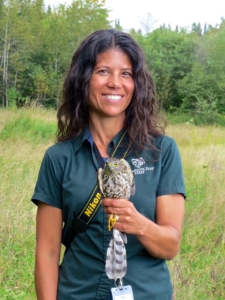
Gina Goralski, Education Specialist - Public Programs at the Minnesota Zoo
“I am an Interpreter. It is important to me to facilitate connections in my field of work and to provoke thought and wonder. One of the original interpretation principles is relevance. “If what we are displaying or describing does not resonate with our audience’s personality or experience, it will be sterile.” (Tilden 1957). Interpreters try to connect tangibles to their intangible meaning, many being the emotions we feel. Empathy can be a universal intangible, whether it is innate or taught. Sharing empathy makes things relevant for us all. If we all share this common emotion, we can work together to care for our environment and all within it.”
Isabelle Bieser, Zoological Society of Milwaukee
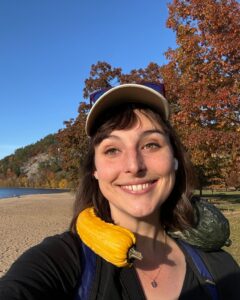
Isabelle Bieser, Manager of Innovation and Community Engagement at the Zoological Society of Milwaukee
“Conceptually and practically, empathy for wildlife resonates deeply with my personal conservation values, focus on human health, and my professional work. The planet is important to me, and I align my professional work to support this value. Empathy for Wildlife is one tool in motivating others to care for the environment and that’s why I do it. Empathy is also a human-centered approach to the conservation conundrum. It centers emotion and connection not only with wildlife but also with each other. I see how holding space for emotional connection to wildlife and building relationships creates healthier humans. My job requires innovation and community engagement; empathy for wildlife has been a great way to connect community values with our Zoo. “
Jennifer Olson, Peggy Notebaert Nature Musem of the Chicago Academy of Sciences
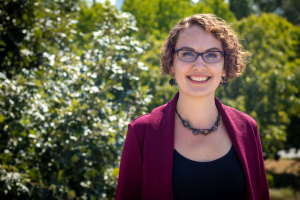
Jennifer Olson, Director of Guest and Community Engagement at the Peggy Notebaert Nature Museum of the Chicago Academy of Sciences
“My work at the Nature Museum focuses around building a positive connection between people and the rest of nature. We specialize in the species of highest concern in IL which are all exothermic. We build empathy between the people in Chicagoland and the insects, reptiles, amphibians, and others who share their environment. At the Nature Museum, like all places where animals live in human care, visitors default to guessing what the animals they observe are thinking. We have begun using empathy best practices to help them understand these creatures who are particularly unlike themselves. My work focuses on local non-human animals and plants that people may experience often. I help people connect with creatures they may think of as mundane, unimportant, or collectivized (it can be a challenge to think of a butterfly as a unique individual and not an abstract icon of a species). It’s important to me that people who live in urban environments feel like they can connect with and understand the individual animals who live near them. That they are not removed from “nature” just because they live in a very built environment. In my life, I grew up in the shortgrass prairie of South Dakota connecting with critters from the tadpoles in the stream where my mom was fishing to the bison who shape the landscape. I believe that people want to empathetically connect to the nature that surrounds them, but just need some guidance to understand how to do so constructively.”
Philina Richardson, Point Defiance Zoo & Aquarium
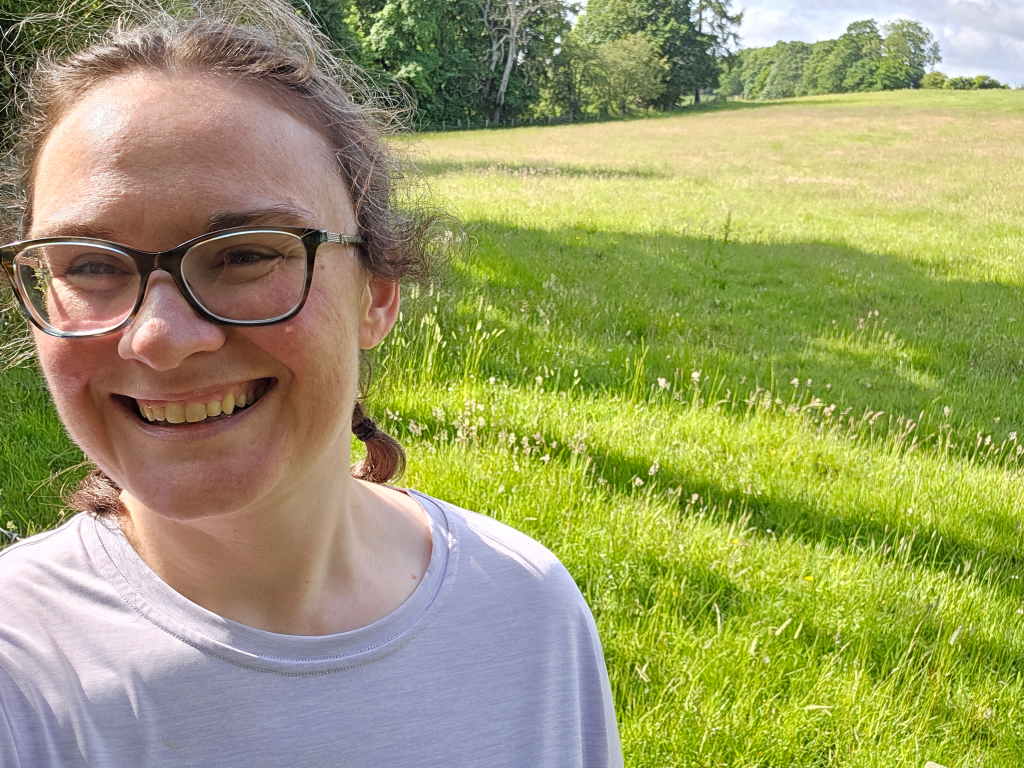
Philina Richardson, Volunteer Engagement Specialist at Point Defiance Zoo & Aquarium
“My background is in science communication and information and media literacy. In those fields, there’s often an assumption that if you can ‘fix’ a lack of engagement by providing information (the ‘deficit model’ of science communication). Research has shown that this is simply not true: bridging knowledge gaps can help develop understanding but it’s not going to drive long-term change or action. Interpretation is a further step in the right direction but does not always inspire long-term change on its own. Furthermore, research from psychology has also shown us that people struggle to connect with things that are ‘distant’ – either physically or mentally. Empathy is important because it’s a complement to (and not replacement for) the work educators and communicators are already doing. Empathy helps us bridge the ‘distance’ of things far away and very different from ourselves. It can give context and meaning to the facts we offer. I have found it to be an invaluable tool in training and coaching internal audiences on how to be effective conservation advocates and communicators. “
Taylor Mock, Detroit Zoological Society
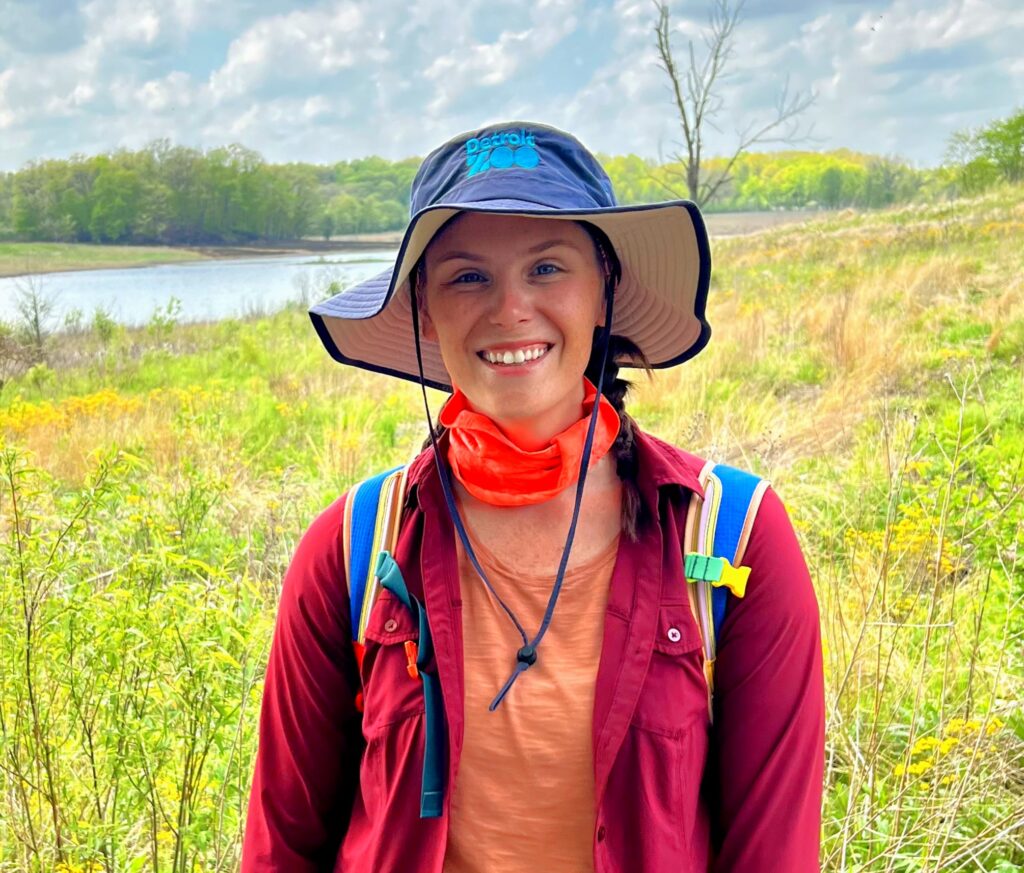
Taylor Mock, Assistant Manager of Adult Learning at the Detroit Zoological Society
“Conservation begins with relationship. Empathy is how we build that relationship. My work at the Detroit Zoo draws from my background in ecopsychology, wherein knowing that information alone rarely changes behavior. People can learn about biodiversity, habitat loss, or endangered species without feeling personally connected to nature. However, when people connect, they’re more willing to act on behalf of conservation. As environmental educators, we can encourage people to see themselves as member of ecological communities rather than observers, and begin the transition from belonging to responsibility. With that, empathy becomes a source of hope as people who feel connected to nature are more likely to believe their actions matter. Whether working with justice-involved youth, Detroit teens, docents, or zoo visitors, my work holds that conservation isn’t reserved for scientists. Everyone can have meaningful relationships with wildlife and help conserve the world we share. Empathy is important to my work because it transforms conservation from something people simply learn about into something they personally experience and feel responsible for. Through perspective-taking, care, reflection, and meaningful experiences in nature, participants begin to see themselves as part of the same community as wildlife. That sense of belonging lays the foundation for lasting conservation action, compassionate decision-making, and stronger relationships with both people and the more-than-human world.”
Frequently Asked Questions
Do I need my supervisor's approval to participate in this program?
Yes. While your project may primarily be worked on outside of your regular workload, you will likely be presenting yourself as a representative of your organization. We want to ensure that your organization is supportive of your involvement in this professional development opportunity.
How do I pitch to my supervisor that I want to participate in this program?
Click the button below for an example template email that you can adapt to demonstrate the value of this program to you and your organization. Craft the template as needed so that it suits your voice, project, and goals, best.
What is the timeline for application and acceptance into the program?
Applications are due August 7. We anticipate to notify applicants of their status by the beginning of September.
Am I eligible to apply?
Have you been an active Network Member or Affiliate for at least 6 months? If so, you are likely eligible to apply. In particular, we are looking for folks who:
- Demonstrate a high commitment to empathy initiatives and the ACE for Wildlife Network through activities such as serving on a Network committee, representing a Partner Organization as a point of contact, and/or presenting on empathy topics.
- Have a strong understanding of empathy practices and the value of the ACE for Wildlife Network.
- Identify as a self-starter with strong critical thinking/problem solving skills.
- Have experience or interest in co-designing projects with partners.
- Be comfortable with “cold call” outreach to new people and organizations.
- Able to secure a statement of support from their supervisor at their institution.
- Commit to participate for all 5 program quarters (from October 2026 through December 2027), including presenting their project to their own institution and to the Network.
Are we looking for geographic distribution across the country with Empathy Champions?
We are prioritizing the commitment of Champions to the Network and fostering empathy for wildlife. We have not set a specific limit by geography or organization type, but depending on the competitiveness of the program, this could become a tie-breaking consideration.
How are applications assessed and by whom?
The Advancing Empathy Team at Woodland Park Zoo will review all applications and score them based on the eligibility criteria (see “Am I eligible to apply” above). The AE team will also use geographic, organizational size and organization-type to ensure that a variety of organizations are represented in each cohort.
I work outside of the Education Department at my organization. Can I still apply?
Yes! There is not a required department type or seniority level required to participate in this program. As long as your supervisor is supportive of your involvement, we can work within your job category to determine a relevant outreach partner to pursue.
What if I change jobs?
While we hope that you will consider your personal plans when considering the time commitment and requirements of the Empathy Champions program, we understand that sometimes plans change. We will try to work with you on adapting your project to your new situation.
What sort of time commitment is the Empathy Champions Program? What if I miss some sessions?
This program has an overall time commitment of about 40 hours over the 15-month period, including about 15 hours of onboarding, training and plan development; 15 hours of plan implementation; and 10 hours of reflection/mentoring/sharing out.
With so many people involved, we understand that it will be tricky finding a time that worked for everyone, so we appreciate your flexibility. We will record sessions to share (for this group only), but so much of these workshops will be based on building community and getting real-time feedback in breakout sessions that we hope that needing to miss will be a last resort. We will allow one excused absence, but missing more than one will seriously impact your experience and your ability to complete the program. If you miss more than two sessions, you will lose eligibility for the $1000 stipend and three absences will result in your removal from the program.
Why is it a 15-month commitment?
The program is spread out over five quarters so that the 40-hour comprehensive time commitment is not overly burdensome and Empathy Champions have time to learn skills and prepare for their project with plenty of time for thoughtful design.
What sort of training will be provided?
In general, communications skills in presenting, networking, storytelling, and advocacy can support the success of outreach, engagement, and partnership building projects. We expect to offer training for Empathy Champions to develop these types of skills or enhance their existing abilities. Trainings will be be virtual, synchronous, and led by a facilitator. In addition to skill-building trainings, during the plan development stage we will also be offering one-on-one coaching and opportunities to learn from other engagement and partnership development experts.
Why are cohorts limited to 10 individuals?
We feel that 10 people allows for community building, mentorship and tailored learning opportunities without making scheduling too difficult. We do plan on launching a new cohort each fall.
How much collaboration will there be with the other Champions?
Throughout the first six months and final three months of the program, Empathy Champions will meet together monthly to participate in trainings and discussions. They will also be encouraged to collaborate outside of cohort meetings if so desired.
Can I invite a colleague to apply?
You may share this opportunity with others in the Network. Since attendance is limited to 10 individuals, we may limit participation to one person per organization if the demand is high.
How will the sessions be held?
All the meetings will be held virtually over Zoom.
Do Empathy Champions get compensated?
Yes. A $1,000 stipend will be paid at the end of the 15-month commitment once all program requirements have been met.
Is there compensation for the organization that the Empathy Champion works with?
Depending on the type of organization (e.g., a community-based non-profit) and level of involvement (e.g., co-designing content vs. attending a presentation), we may be able to provide a stipend for their participation. Champions can discuss this with the Advancing Empathy team (empathy@zoo.org) once accepted into the program or as part of the application process, if they prefer.
Does the other organization need to be focused on wildlife?
While the organization that the Empathy Champion will work with doesn’t have to be focused on empathy for wildlife on a mission level, this content should be the main component of the partnership. For example, a public library has a separate mission but could partner on a storytelling series where empathy for animals is a key component. If you have specific questions about a potential partner, please email the Advancing Empathy team (empathy@zoo.org).
What is our long-term goal for the organizations with which Empathy Champions partner?
Ideally, we would like to see those involved in this collaboration join the Network and continue to engage in this work. We also would like to see relationships continue between the Champion’s home organization and the collaborative partner. However, we understand that not all collaborations result in long lasting relationships and the lessons learned may include that the partnership was not a good fit for the empathy for wildlife work.
Do we have expectations about who Empathy Champions work with?
This opportunity is for you and your organization to connect with an organization you have started to work with or would like to work with to discuss empathy for wildlife and learn more about how to make its use applicable in additional settings. This could be a state park, a local museum or nature center, a school district or public library. Whatever makes sense and would ultimately benefit your empathy work.
Are there additional steps after the initial application?
The application is the only step to apply! If selected, you will need to sign a letter of commitment and provide documentation that your supervisor is supportive of your involvement.
One of the criteria for the program is active involvement within the Network. Could you could provide more information about what level of active involvement is required to apply for the program?
There is not a defined minimum to apply (other than being in the Network before the end of the previous year), but we see this as a leadership development program. We are looking to help a committed group of empathy practitioners advance their skills rather than an introduction for a new group of folks to the work. Things that we will consider: Have you served/currently serve on a committee? Do you host a discussion board channel? Have you presented at an event? Submitted a resource? Are you involved in empathy grant projects? If not, we do plan to offer this annually, so depending on the level of involvement you have had to date, there are many opportunities to get more involved this fall (in September there will be a call to join committees) to help prepare for next year’s cohort.
Engage with Our Community
Your voice matters. Share your thoughts, insights, and feedback to help shape our collective efforts. Together, we can make a real difference for our planet.